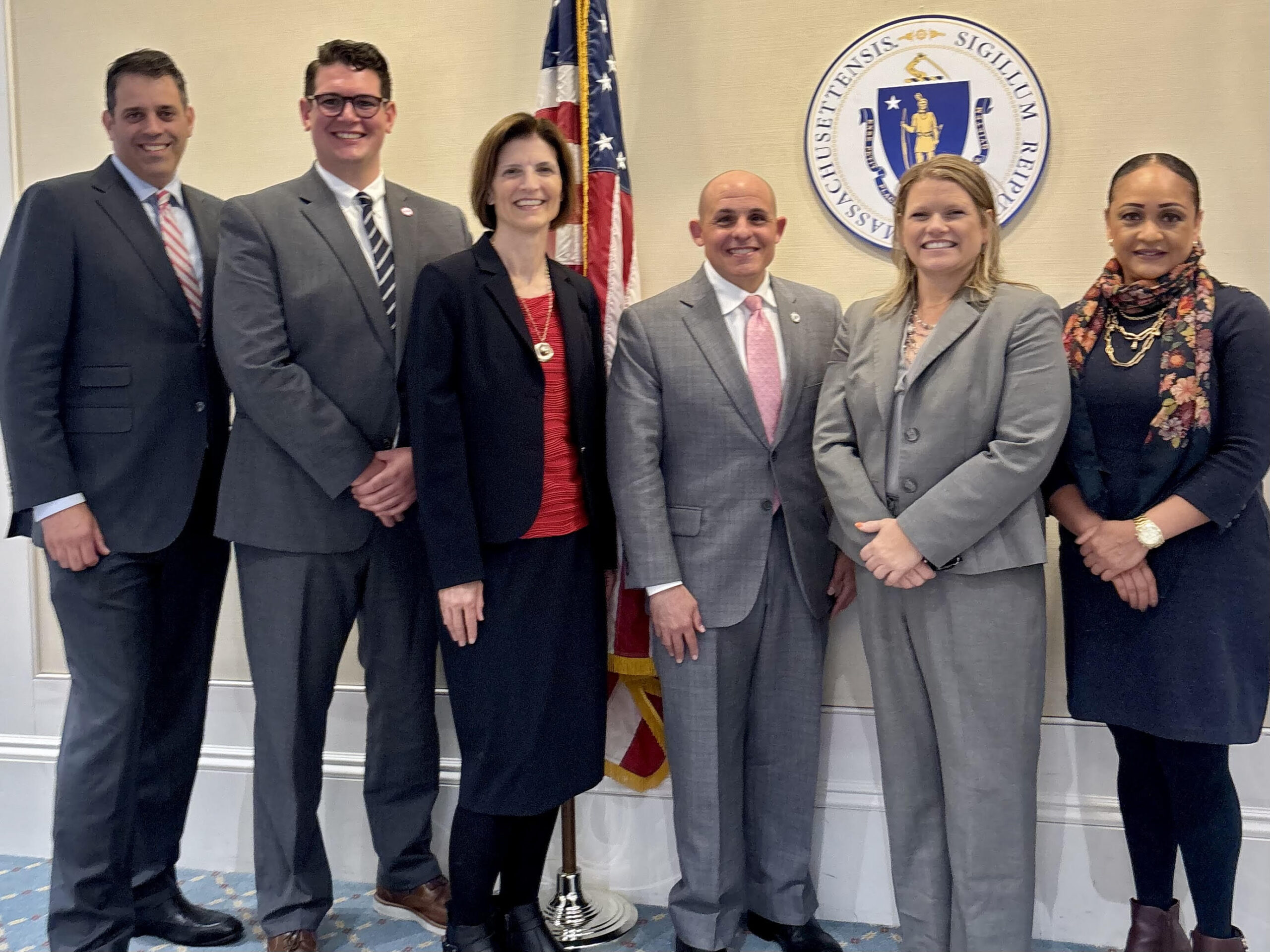
On September 24, 1DegreeOutside had the privilege of contributing to an important discussion at the Massachusetts State House, hosted by Representative Steven Ultrino and organized by the American Red Cross of Massachusetts. The panel, “Weathering the Storm: How Prepared is Massachusetts in the Age of Continuous Disaster Response?”, focused on how communities can prepare for more frequent and more intense disasters fueled by climate change.
Our President and Co-Founder, Matt Noyes, joined fellow panelists Dawn Brantley (Director, MEMA) and Ryan Avery (Chief Disaster Officer, Red Cross of Massachusetts), with moderation by Holly Grant, CEO of the Red Cross of Massachusetts.
Together, the panel highlighted:
The science linking rising temperatures to stronger storms and other climate-driven hazards.
The growing strain on local emergency management agencies as “continuous disaster response” becomes the new normal.
The urgent need for community-level preparedness, resilience, and actionable weather insights.
Matt’s contribution, in particular, focused on recognizing multiple changes when it comes to New England weather: from the shifting media landscape with the majority of New Englanders seeking critical weather information digitally, to the dynamic of storms in a warmer climate and ocean, to how New England’s history – even without impacts of climate change – illustrates our exceptional vulnerability to devastating impacts when our next major hurricane comes calling. The last major hurricane hit to New England was Hurricane Carol in 1954, meaning, Matt said, an ever-shrinking number of people can even appropriately envision what such a storm would be like. Matt also highlighted the Hurricane of 1938 – New England’s most destructive hurricane – and spelled out specifically what a Category 3 strike on New England would mean in modern day standards – some of this drawn from 1DegreeOutside’s Major Hurricane Simulation Exercise done for a national company focused on Northeast resilience. Billions of trees downed including half of our white pines, over 100,000 miles of power lines toppled for outages that last months, portions of South Coastal towns completely leveled and gone, solar farms smashed, wind turbines destroyed, with some cell phone towers and satellite dishes compromised. Matt says that’s not a prediction – it’s purely based on the weather conditions New England has already seen in the last major hurricanes of 1938 and 1954. It’s just been so long that folks who weren’t around for it find it hard to believe.
At 1DegreeOutside, our mission is to transform weather from a commodity into a source of operational advantage and resilience. Being part of this panel reinforces the role of trusted, localized science in shaping both policy and community action.
We are proud to have contributed to this dialogue and look forward to continued collaboration with policymakers, humanitarian organizations, and local leaders to keep Massachusetts communities safe in the face of a changing climate.


